* Hokkaido Travel Tips的部落格
收集並保存0圓觀光景點和部分需付費的必看景點,而且也介紹美食及土特產的情報。

*Hokkaido Travel Tips’ Blog
We compile information on “0 yen tourist spots” and “must-see paid spots with extra benefits” and then keep them in our blog as archives for your convenience. We also introduce the food of Hokkaido and interesting souvenirs to take home.

www.hokkaidotraveltips.com
ラベル 釧路地區/Kushiro District の投稿を表示しています。 すべての投稿を表示

2020年5月13日水曜日

兒童遊學館 / Kodomo Yugakukan

兒童遊學館(位於釧路市)是合併擁有科學館和兒童館機能的複合設施。科學館需要付費參觀,但一樓的室內沙坑免費使用。在沙坑也有長椅供兒童監護人休息。在全天候型的寬廣沙坑也有準備專用的玩沙道具。付費的科學館裡面有天文館以及以水、光和風為主題的設施,可以邊玩邊學習自然科學。

Kodomo Yugakukan (Kushiro City) literally means ‘center for having fun while learning for children.’ It consists of two main facilities, the Children’s Play Hall and Science Museum. The museum is a paid area but the Play Hall with a big sand pit is free. It provide tools for play like shovels and such. There is also ample seating for adults to watch their kids play. As it’s indoors, local children enjoy it even when the weather is inclement. In the Science Museum, the planetarium is popular as well as facilities with specific themes like water, light or wind. Even for tourists, its good to visit.


2020年1月31日金曜日

勝手丼 / Kattedon

「勝手丼」(勝手在為日文的漢字,譯為隨意)是和商市場(釧路)的名產。有6間魚舖販賣一口大小的壽司用的生魚片配料。在數家的熟食店有賣白飯。勝手丼就是指帶著買來的白飯到各家魚店買喜歡的生魚片配料來製作自己專屬的海鮮丼。起源是在往昔,心地好的魚屋老闆要求省錢旅遊的年輕人們只買了白飯後拿來,在白飯上放少量的海鮮來販賣的形式。

Kattedon is a feature of Washo Market in Kushiro City. Katte stands for ‘as you like’ and Don means rice bowl. At six fresh fish and shellfish shops, one-bite size fresh sashimi (topping on a piece of sushi) is sold, while rice bowls without toppings are sold at side-dish specialty shops. To enjoy Kattedon, one buys just a rice bowl and then buys their favorite toppings at a fish shop. This locale was established many years ago when young men who were enjoyed frugal travel were offered just rice, and a fish shop cut their fish fillets into pieces to sell.


2019年12月19日木曜日

竹老園東家總本店 / Chikurouen Azumaya

竹老園東家總本店(位於釧路市)是北海道最古老的蕎麥麵老舖。1874年時,初代店主在小樽擺攤,之後在釧路擁有自己的店。東家(AZUMAYA)這個屋號(店名)的暖簾常常在北海道各處見到,追隨其起源的話會發現是竹老園將自己的屋號授權給各家店。竹老園的蕎麥麵是綠色。是個擁有14間和室的歷史建築的店面。也有可以免費參觀的日本庭園。

Chikurouen Azumaya (Kushiro City) is Hokkaido’s oldest vendor of buckwheat, or soba noodles in Japanese. The founder opened a soba stall in Otaru city in 1874, and later moved to Kushiro to open a shop. In Hokkaido, the Azumaya brand, which translates to eastern house, grew famous, and can be seen all over the place. Actually all the soba restaurants with Azumaya brand stem from Chikurouen Azumaya. Interestingly, the color of Chikurouen’s noodles is green, and some in Kushiro are the same. The Chikurouen building is historic with 14 Japanese rooms for guests. The Japanese garden is free to enter.


2019年11月8日金曜日

Arukotto

ARUKOTTO(位於標茶町)是塘路湖環境博物館的別名。位在湖邊的南岸,館內有各式各樣資訊看板、模型以及動植物的標本。特別針對釧路濕原的生命泉源「水」為主題有詳細的說明。附近也有免費入場的土資料館。也有需另外付費的獨木舟體驗設施的出發地點。塘路湖是釧路濕原觀光的據點之一。

Arukotto (Shibecha Town) is another name of the Lake Touro Eco Museum Center, located on the southern shores of the lake. There are many information panels, models and specimens through which visitors can learn about nature in the Kushiro Shitsugen (marsh). In particular, Arukotto focuses on water, which is a very important element of the largest marsh land in Japan. Near Arukotto, there is a free historic museum and some other facilities. Also, there is a starting point for canoe activity, although it’s of course a paid service. Lake Touro is one of the key places to enjoy Kushiro Shitsugen - through viewing, walking and canoeing and the like.


2019年8月28日水曜日

釧路川河畔綠地 / Riverside Green Space of Kushiro River

釧路川河畔綠地(位於釧路市)是將流經市內中心的釧路川兩岸建設而成的。在長廊可以一邊遠眺釧路川一邊散步。這個長廊是從幣舞橋經過久壽里橋一直延伸到旭橋,單側約2.5公里。在觀光景點的幣舞橋附近的「NUSAMAI廣場」也會舉辦活動。到了夜晚則會打燈照明。

Riverside Green Space of Kushiro River (Kushiro City) is on both sides of the river, between Nusamai Bridge and Asahi Bridge, and includes Kusuri Bridge. There are long promenades on both sides, stretching approximately 2.5 kms, which allow pedestrians to view the Kushiro River. Nusamai Bridge is another sightseeing spot, famous for it's view of the sunset.It also features four famous sculptures. At Nusamai Square, some events are held occasionally, and it’s illuminated at night. Also, there are some squares on the promenades. In winter, it’s too cold for walking, but in summer, it’s a good place to spend a lazy day.


2019年7月17日水曜日

阿寒丹頂之里 / Akan Tanchou-no Sato

阿寒丹頂之里(位於釧路市)是位在連結釧路市和網走市的國道240號沿線上的道路休息站。於2016年移動地點,重新裝修開幕的道路休息站。比鄰著公園,也有一日溫泉設施。如同其名,地點很接近丹頂鶴飛來的地點。想要確實地看到丹頂鶴的人建議去就近的國際鶴中心(需付費)。可以觀賞被飼養的丹頂鶴。

Akan Tanchou-no Sato (Kushiro City) is a road station on route 240, which connects Kushiro and Abashiri. This road station was reopened in 2016, housed in a new building. The new location is an opportune spot for tourists to have fun because there is a big park and onsen next door. Tanchou means red crowned crane, and as the name suggests, this area is famous for its wild red crowned cranes. For those want to be sure of seeing a crane, Akan International Crane Center (a paid museum) is available nearby. Visitors can view cranes all year round.


SHIRARUTORO自然情報館 / Shirarutoro Nature Center

SHIRARUTORO自然情報館(位於標茶町)位在釧路濕原內的SHIRARUTORO湖的湖畔旁露營場。展示著在湖畔周遭可觀察到的動植物的資料。蝴蝶等昆蟲和植物的葉片等實物用樹來固定做成標本。可學習到周遭的生態系。情報館的周遭是可以一邊散步一邊學習自然環境。設施沒有常駐工作人員,可以自由進出。

Shirarutoro Nature Center (Shibecha Town) is located within the camp site on the lakeside of Lake Shirarutoro in Kushiro Marsh. Information panels are on display for visitors to learn about animals, insects and plants seen around the lake. Specimens of butterflies and leaves in particular are focused on in the exhibit, preserved in transparent resin. Visitors can learn of the ecological system of this area, then can enjoy walking in nature to find live versions of creatures or plants they saw displayed. There is no reception desk, and visitors can only enter during their business hours during the day.


KOTTARO濕原展望台 / Kottaro Observation Deck

KOTTARO濕原是釧路濕原的一部分。如同將太古的自然原原本本地保留下來般的景觀,被指定為國立公園中的特別保護地區。有KOTTARO濕原展望台。可以觀賞到蘆葦和莎草自由生長的濕原的廣闊,蛇行的KOTTARO川,許多小型沼澤分布的景色。也有丹頂鶴和蒼鷺等野鳥和稀少的蜻蜓。

Kottaro Marsh is a part of Kushiro Marsh, where it seems the landscape has not changed since ancient times. Kottaro Marsh is designated as a specially preserved national park. Kottaro Observation Deck allows visitors to enjoy a magnificent view of the marshland, and wetland plants, such as the common reed or sedge. Moreover, visitors can see ponds in the marsh and meandering rivers. Sometimes, intrepid ornothologists are lucky enough to sight a red crowned crane, grey heron, or rare dragonflies. There is road access to the observation deck, and convenient car parking.


SARUBO展望台·SARURUNN展望台 / Sarubo Observation Deck and Sarurum Observation Deck

SARUBO展望台·SARURUNN展望台位在釧路濕原內的塘路湖北邊的位置。可以瞭望到環湖約17.9公里、面積約637公頃、最大水深為7公尺的塘路湖和周遭四個池沼(SARURUNNTOPONNTOEORUTOMAKUNNTO)。和附近的KOTTARO展望台不同。要抵達到SARUBO展望台·SARURUNN展望台的攀爬入口必須要在原野中步行。

Sarubo Observation Deck and Sarurum Observation Deck are located at the northern section of Lake Touro in Kushiro Marsh. Visitors can admire panoramic views of the marsh, including Lake Touro and other four small marshy ponds (Sarurunto Pond, Ponto Pond, Eoruto Pond, and Makunto Pond). Lake Touro is the biggest lake in Kushiro Marsh, at about 17.9 kilometers in perimeter, with a surface area of 637 hectares, and a depth of seven meters. To get to these two observation decks, visitors need to walk on walking paths. Alternatively, at Kottaro Observation Deck, which is not far away from the two aforementioned decks, visitors can park their car adjacent to its entrance.


釧路濕原Norokko號 / Kushiro Shitsugen Norokko Gou

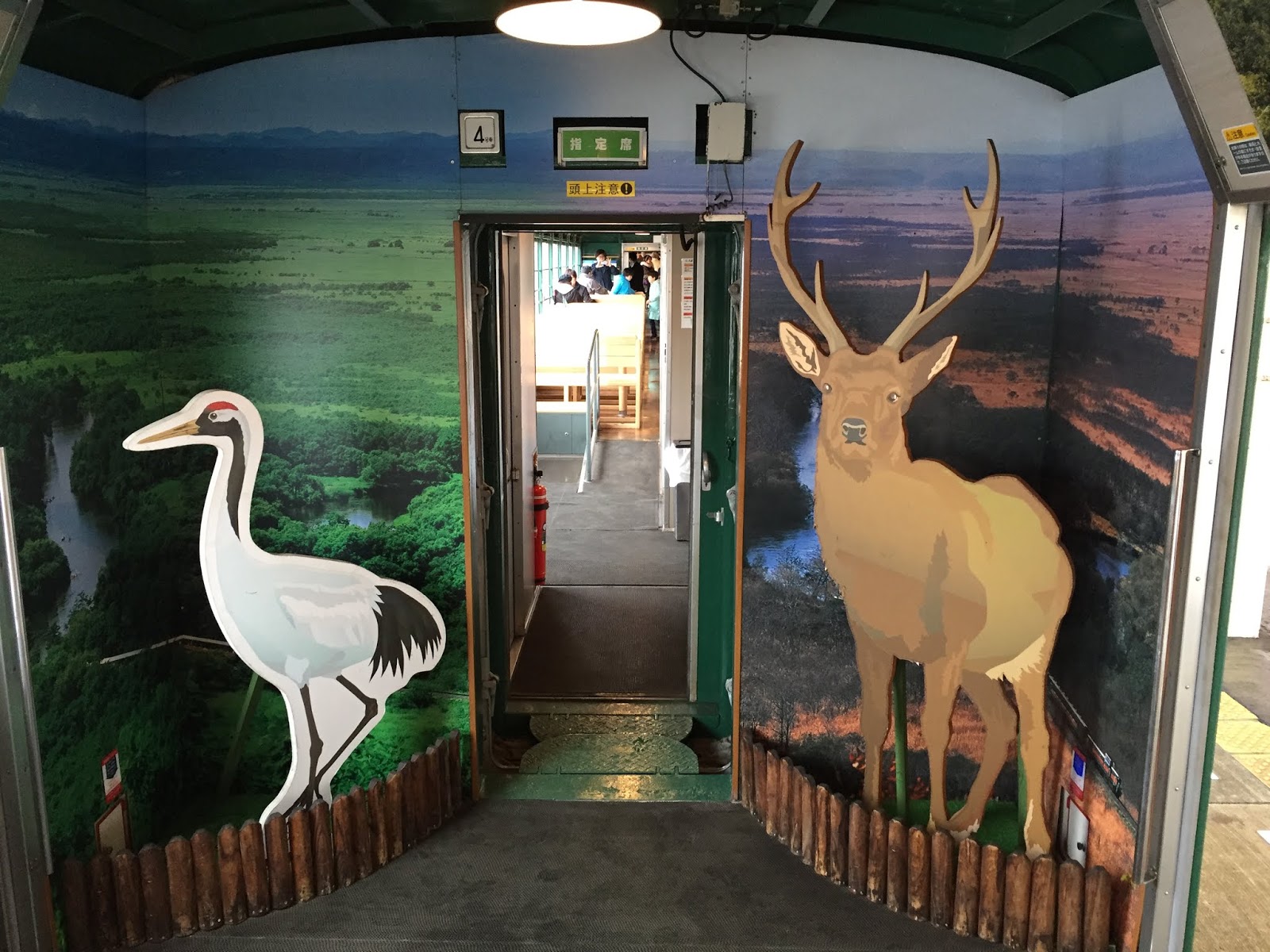
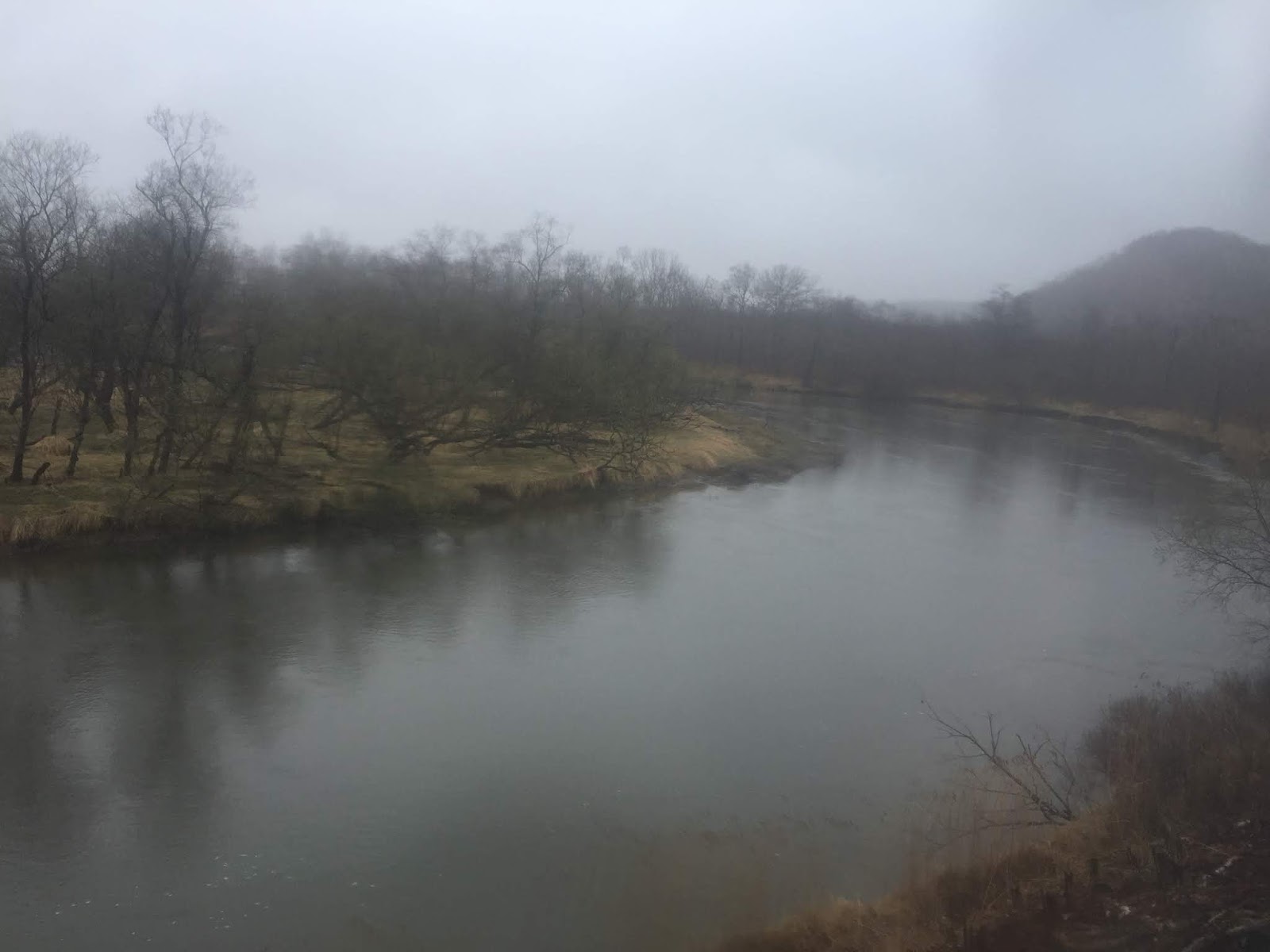
釧路濕原Norokko號是在釧路站和塘路站之間,或是釧路站和川湯溫泉站之間運行的觀光列車。因為是在釧路濕原中緩慢進行的列車,所以可以欣賞到濕原的壯麗景色。接近釧路川的地點,有岩保木水門等幾個重點景色。只在4月末到5月初的期間,又或者是夏天到秋天這段期間運行(詳情請JR北海道的公式網站)。

Kushiro Shitsugen Norokko Gou is a scenic train running between Kushiro and Touro / Kawayu Onsen. Kushiro Shitsugen is Kushiro Marsh in Japanese. The train runs slowly through the marsh in order for all to enjoy the magnificent views. There are some highlights, such as the points closed Kushiro River, and near Iwabokki Water Gate. Norokko is a coined word which implies moving slowly or unhurriedly. This train has one return trip daily at the end of April, and the beginning of May, or Golden Week Holidays. In summer and autumn, there are two daily return trips. Check the timetable on JR Hokkaido’s website.


濤沸湖 / Lake Tofutsu

濤沸湖是橫跨網走市和小清水町的潟湖。面積約900公頃,包含在網走國定公園內。2005年時被登錄在拉姆薩爾公約中。以野鳥觀察的聖地而為人所知。每年會飛來6萬隻以上的野雁和野鴨。除了可以看到天鵝之外,也確定了有丹頂鶴的繁殖。生長著貴重野花的小清水原生花園就在隔壁。

Lake Tofutsu (spread over Abashiri City and Koshimizu Town) is in Abashiri Quasi-national Park, and is about 9 square kms in size. It is a brackish-water lake, protected by the Ramsar Convention (the Convention on Wetlands) since 2005. The lake is a mecca for birdwatchers, as a lot of wild birds flock to the area. On average, 60,000 geese and wild ducks come each year. Also whooper swans rest there during their migration. Moreover, red crowned cranes make their nests and raise their babies at the site. Koshimizu Gensei Kaen is next to this lake. Gensei Kaen stands for wildflowers Park or Primevial Flower Garden in English.