* Hokkaido Travel Tips的部落格
收集並保存0圓觀光景點和部分需付費的必看景點,而且也介紹美食及土特產的情報。

*Hokkaido Travel Tips’ Blog
We compile information on “0 yen tourist spots” and “must-see paid spots with extra benefits” and then keep them in our blog as archives for your convenience. We also introduce the food of Hokkaido and interesting souvenirs to take home.

www.hokkaidotraveltips.com

2017年4月1日土曜日

札幌市博物館活動中心 / Sapporo Museum Activity Center

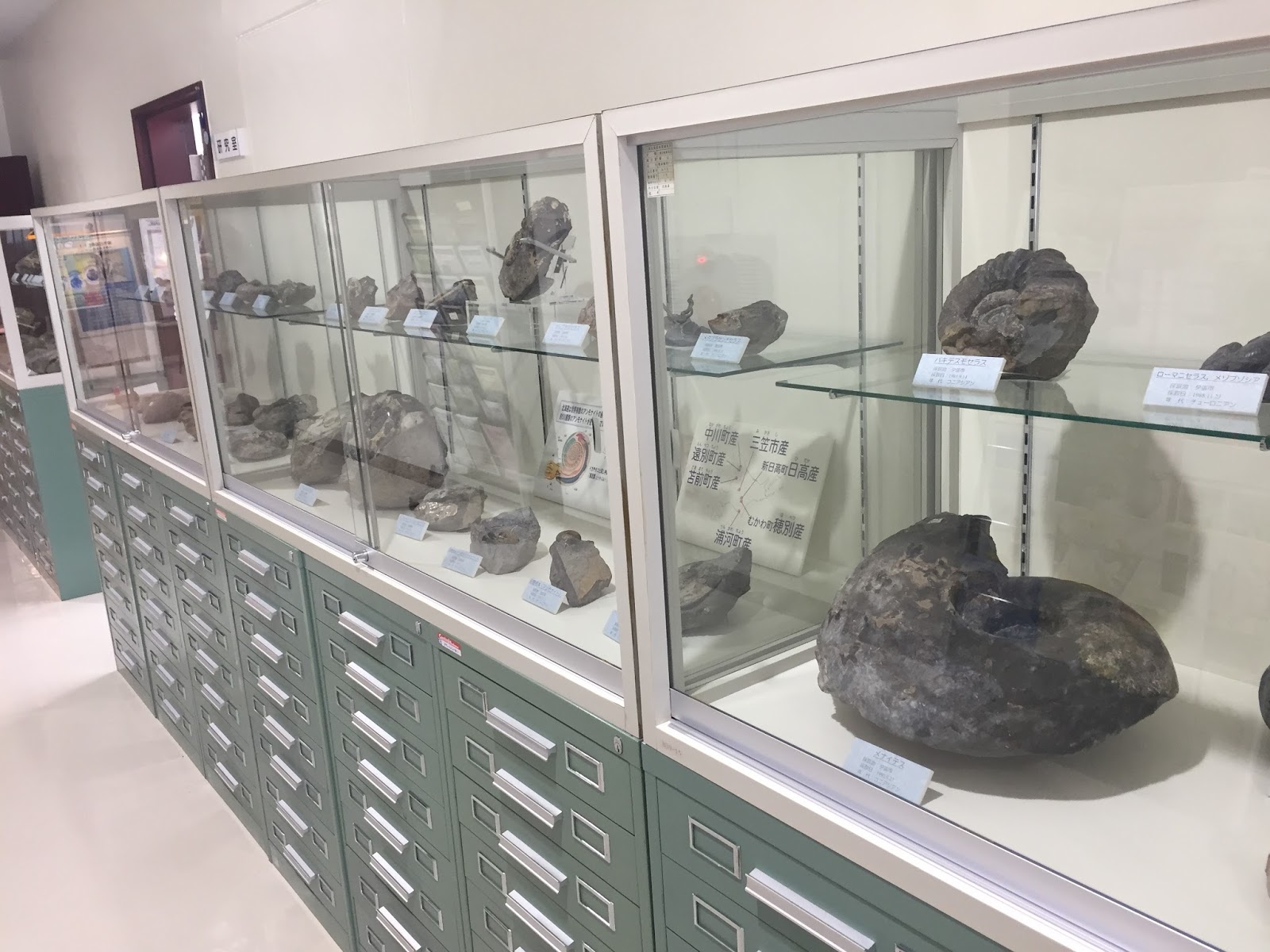
札幌市博物館活動中心(札幌市豐平區)以市民參加型的自然系博物館為理念於2001年所設立。雖然是小型的設施,但這裡展示著棲息在札幌市的昆蟲、植物等標本。這裡也展示著2003年時在豐平川由小學生的女孩所發現的札幌海牛的化石。這裡也有讓孩子們學習自然的體驗區域。

Sapporo Museum Activity Center (Sapporo City Toyohira-ku) was established in 2001 with a view to helping Sapporo citizens understand natural resources in Sapporo, and join activities to study nature. This is not a big facility but the exhibits are well-suited to those interested in the study of living, and dead creatures. They exhibit many specimens of insects, plants and fossils. The most famous is a fossil of Sapporo Kaigyu, which is the oldest remains discovered of a sirenian (sea cow) living in temperate regions of the globe. This was discovered by a girl at Toyohira River in 2003. They also design programs for children to study nature.




MARIYA藝廊 / Mariya Gallery

MARIYA藝廊(札幌市中央區)位在MARIYA手工藝品店的三樓。MARIYA是札幌手工藝品店的老字號於1926年創業。刺繡用具、造花用具、琺瑯手工藝用具、和紙等手工藝創作所需要的材料從地下一樓到地上二樓連狹窄的空間都擺滿在這。這裡也有許多和手工藝相關的書籍。MARIYA藝廊說起來也是手工藝品類的展示比較多。

Mariya Gallery (Sapporo City, Chuo-ku) is on the third floor of Mariya Shugeiten Building, or Mariya Handicrafts Shop Building in English. This is one of the oldest handicraft speciality shops in Sapporo, opening in 1926. There are many tools and materials for a variety of handicraft categories such as needlework, artificial flowers, cloisonne ware, Japanese traditional paper, and so on. The shop is in the basement, and on the first floor and second floor. There are many instructional handicraft books too. At this gallery, art exhibitions of handicrafts rather than paintings are held. The schedule is on their website, but in Japanese.


三吉神社 / Miyoshi Shrine

三吉神社(札幌市中央區)是距離地下鐵大通站步行可抵達位在札幌市中心的神社。神社面向札幌電鐵(路面電車)所行駛的線路街道,眼前就是西8丁目車站。神社於1879年所建成。神社周邊為商業辦公區,至今仍受到眾多札幌市民的喜愛。每年的5月是神社的例大祭,到時會有小吃、玩具等攤販出店。

Miyoshi Shrine (Sapporo City, Chuo-ku) is easy to get to on foot from Odori subway station. Also, the shrine faces Densha-dori Street, literally Street car Street in English, and the Nishi 8-chome Station is in front of it. This shrine was built in 1879, soon after Hokkaido was settled by the Japanese government. Now, it is surrounded by commercial buildings, and is like an oasis in an urban grid. This shrine holds a festival every May, and temporary stalls selling food and toys are open at the festival, like as at other Japanese shrine festivals.


大場比呂司紀念室 / Oba Hiroshi Memorial Museum

大場比呂司紀念室(位於札幌市中央區)如同其名展示著大場比呂司的畫作和漫畫。大場比呂司在1921年誕生於札幌,到1988年去世為止之間存留下許多作品。使用獨特的筆觸所描繪的畫作至今仍有不少粉絲。地點位在札幌市資料館的一樓,展示的作品禁止拍照攝影。飛機和食物的畫作廣為人知。

Oba Hiroshi Memorial Museum (Sapporo City Chuo-ku) exhibits Mr. Oba's artwork. He was born in Sapporo in 1921, and actively worked as a painter, cartoonist, and illustrator until his death in 1988. His work evokes nostalgic and heart warming feelings in those who see them, and his fan base remains large.  He usually created his art spontaneously, and his own touch is unique. He liked to draw air planes, and food in the plate in front of him while traveling. He also created picture books for children. Taking photos is strictly forbidden. The museum is located in Shiryokan (the former Sapporo Court of Appeals).


北之映射博物館 / The Northern Museum of Visual Culture

北之映射博物館(位於札幌市中央區)展示著成為電影的拍攝地的地區資訊和電影相關的貴重資料。北海道至今為止已經成為400部以上的電影拍攝場景。北海道被電影製作人評價為擁有豐富的自然和具有風情的街景。在博物館內也展示著活躍於1970年代的大型放映機。

The Northern Museum of Visual Culture (Sapporo City, Chuo-ku) exhibits material used in making or filming movies in Hokkaido, as well as a range of movie paraphernalia such as old posters, and scenario books used by actors and actresses. More than 400 films, TV dramas, documentary movies and TV commercials have been shot Hokkaido over the past few decades. Hokkaido is famed for great nature and refined, beautiful scenery of towns by people in the motion picture industry. In this museum, two big projectors which were used in the 1970s are also exhibited. It is possible to watch movies from their archives for free.


貓頭鷹 / Owls

貓頭鷹對於北海道原住民阿伊努族來說是神聖的生物。特別是島梟(Blakiston's fish owl,毛腿魚鴞)只棲息在北海道和俄羅斯部分地區,是瀕臨絕種的貴重貓頭鷹。島梟是世界上最大的貓頭鷹,翅膀展開可達到3公尺。此外,棲息在北海道各地最常見的是蝦夷貓頭鷹。現今在日本作為可以帶來好運的鳥而受到歡迎。

Owls, or fukurou in Japanese, are recognized as sacred creatures by the indigenous Ainu people of Hokkaido. Shima fukurou, or Blakiston’s fish owl, is particularly important for Ainu. It lives only in Hokkaido and a part of the Eurasian Continent. It's one of the biggest owls with a wingspan reaching three meters As it faces extinction, it’s registered in the Red-data Book. . Ezo fukurou is a common owl living in almost all parts of Hokkaido. In Japan, owls are regarded as a lucky icon. They're used as the motif of characters for souvenirs.


扇貝 / Scallop

扇貝是北海道知名度最高且受歡迎的海產之一。不管怎麼料理都很好吃,不分男女老幼都很喜歡扇貝。經典的吃法是生扇貝的生魚片或壽司,用平底鍋煎的奶油扇貝,連貝殼整個放在烤網上用炭火烤,現炸扇貝等。面向鄂霍次克海、日本海、太平洋的北海道是扇貝的盛產地。栽培漁業和養殖漁業都很興盛。

Scallop, or specifically the Yezo giant scallop, is one of the most famous and popular sea foods found in Hokkaido. As it can be cooked deliciously any number of ways, it's loved by people regardless of age or gender. Sashimi or sushi made using raw scallop, sautéd scallop in butter in a frying pan, scallop grilled in an iron net over burning charcoal, and deep fried scallop are popular for local Hokkaido people. Scallops prefer a cold climate. Hokkaido, which is surrounded by the Sea of Okhotsk, Pacific Ocean, and the Sea of Japan, is a center of production in Japan. Scallops can be harvested naturally, or in a sea farm.