* Hokkaido Travel Tips的部落格
收集並保存0圓觀光景點和部分需付費的必看景點,而且也介紹美食及土特產的情報。

*Hokkaido Travel Tips’ Blog
We compile information on “0 yen tourist spots” and “must-see paid spots with extra benefits” and then keep them in our blog as archives for your convenience. We also introduce the food of Hokkaido and interesting souvenirs to take home.

www.hokkaidotraveltips.com

2019年7月22日月曜日

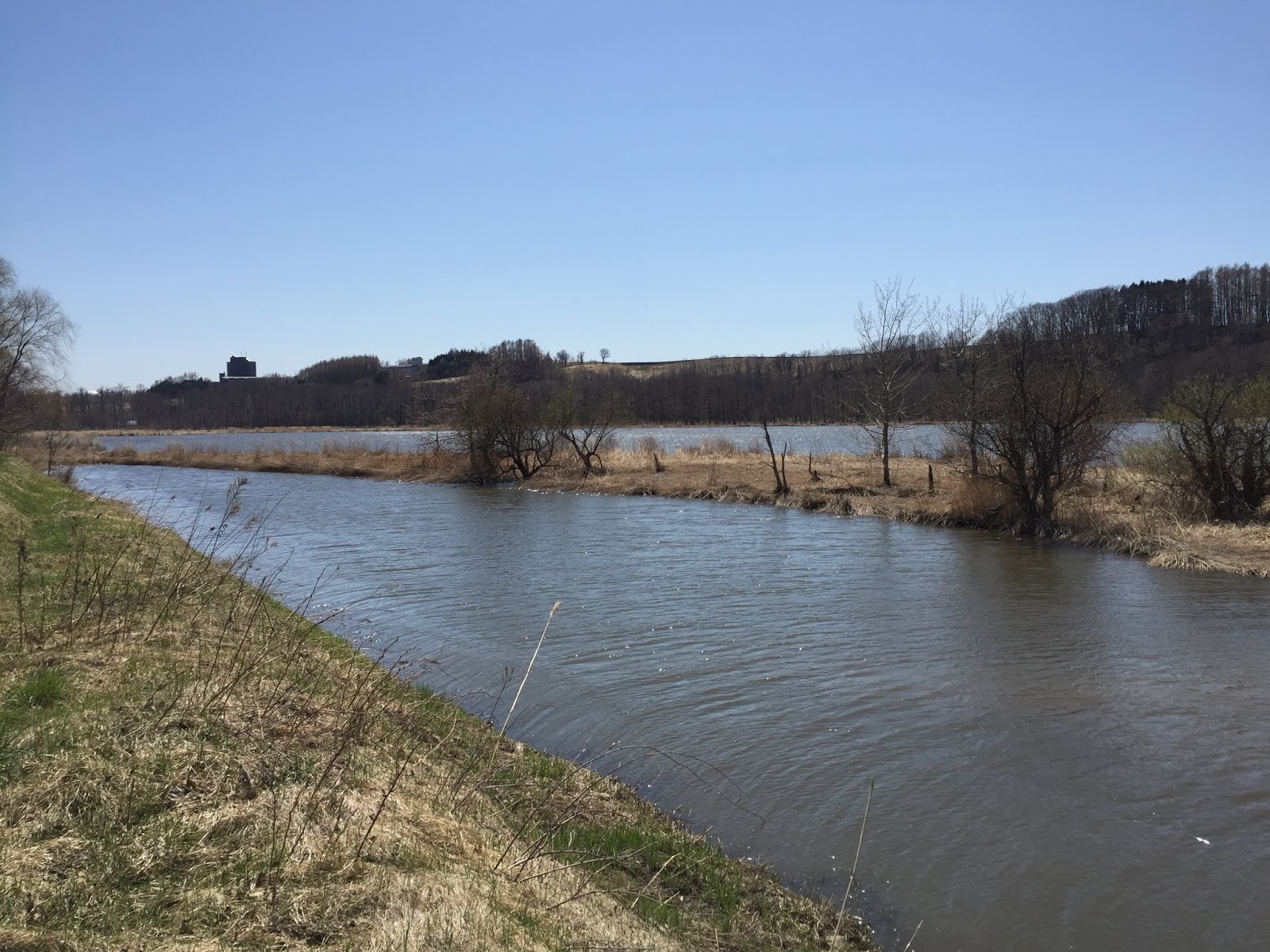
網走湖 / Lake Abashiri

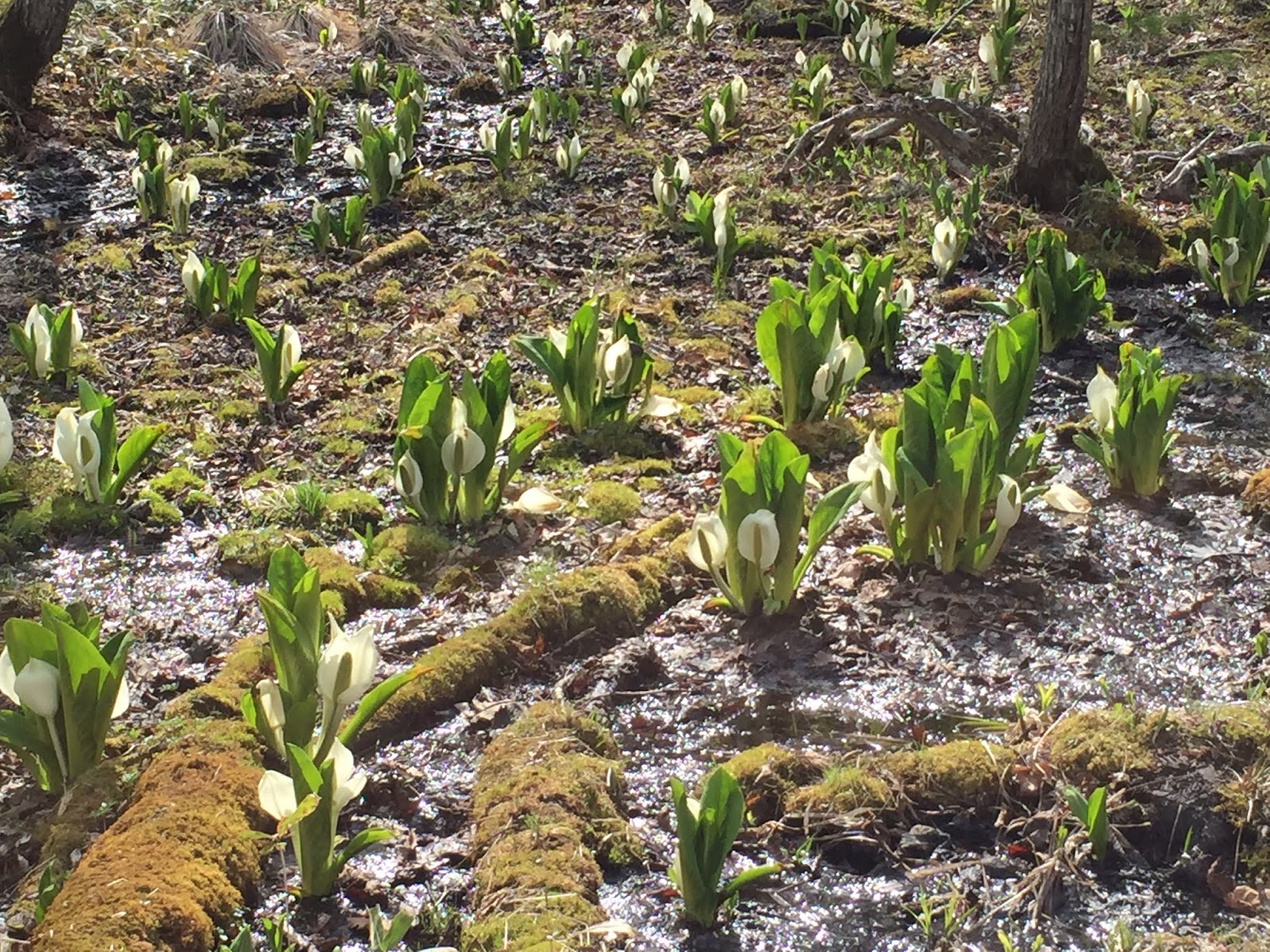
網走湖(位在網走市和大空町)位在網走國定公園內。透過網走川連結著鄂霍次克海。湖面海拔標高為0公尺,滿潮時刻時從下游部分海水會倒流。有日本船艇協會認定的1000公尺賽道。冬季時湖面會全部凍結,湖面由於來冰上釣公狗魚的釣客而變得很熱鬧。夏季時會捕撈蛤仔。在濕地裡散布了廣闊的水芭蕉的群聚地(限定春季)。

Lake Abashiri (Abashiri City and Ozora Town) is located in Abashiri Quasi-National Park, and is connected to the Sea of Okhotsk. The lake is at sea level, and at high tide sea water flows into the lake. There is a 1000m rowing course, officially approved by the Japan Rowing Association. In winter, the lake is frozen, and many people enjoy fishing for wakasagi, or pond smelt. In summer, harvesting shijimi clams can be seen. In the wet areas of the lake there is a colony of skunk cabbage growing.



裙帶菜 / Wakame

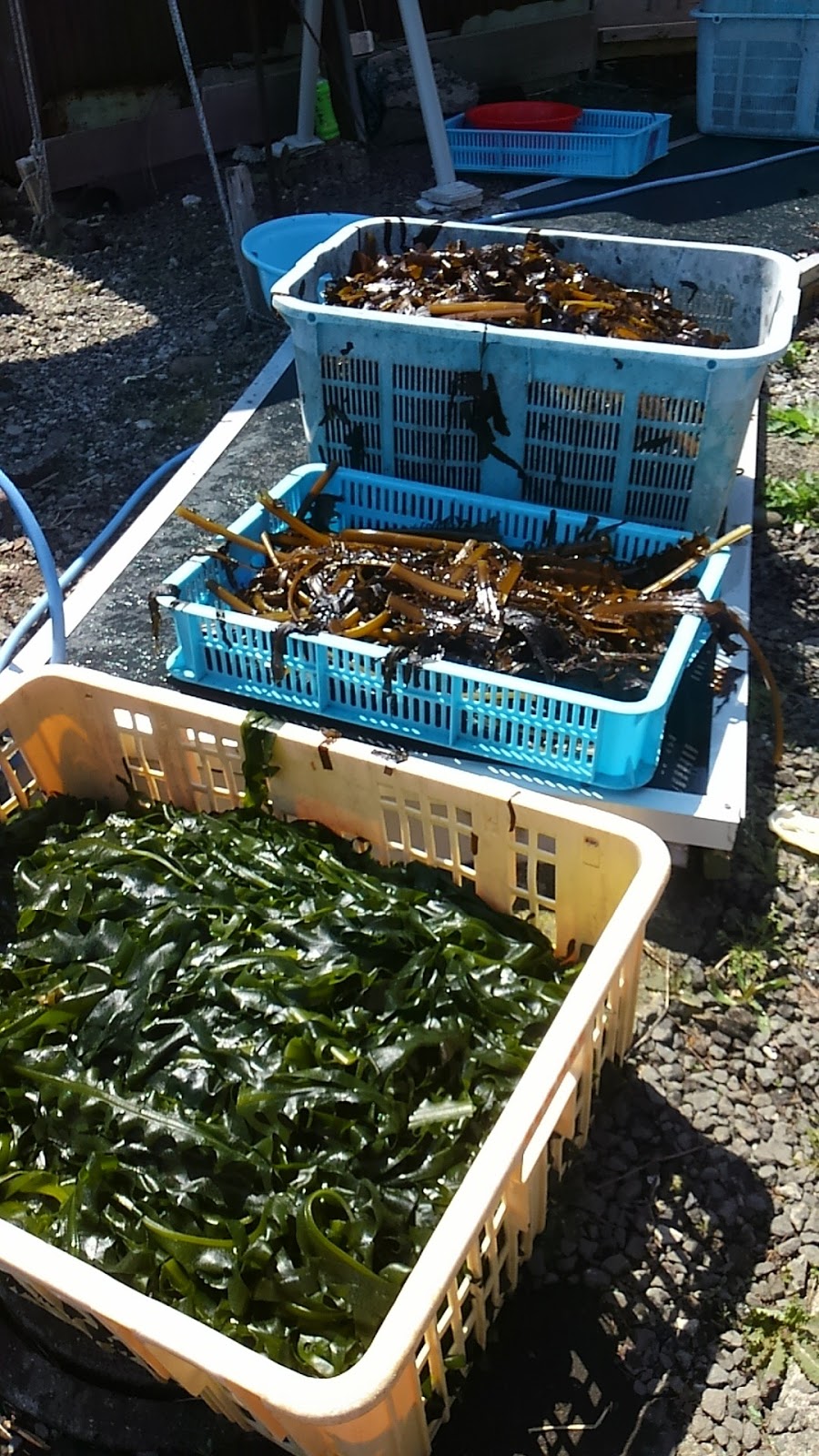
裙帶菜是日本全國常吃的海藻,日本全國從春天到初夏都可以採收的到,北海道的裙帶菜盛產期是在5月。盛產期的生的裙帶菜會在超市販賣。只要稍微用熱水燙一下就會變成鮮艷的綠色。用鹽醃漬的生裙帶菜和乾燥裙帶菜一年當中都會販售。和食料理中,裙帶菜可以用於味增湯的材料、用酢醃漬或是沙拉的材料等被廣泛使用。

Wakame is a popular seaweed in Japan. It grows readily in its natural environment, but these days the majority of wakame is farmed in the sea. The picking, or harvesting season, is from spring to the beginning of summer. In Hokkaido, the best season is May. Raw wakame is found in supermarkets, and its color becomes bright green after it’s dipped into hot water then washed in cold water. Preserving it with salt or drying it is popular, and its eaten through the year. For Japanese cuisine, wakame is typically used in miso soup, and as an ingredient for dishes in sweetened vinegar, or salad.


2019年7月17日水曜日

土筆 / Horsetail

土筆(TUKUSHI)是可以讓日本人聯想到春天的植物之一。因為樣子如同從大地中生長出細長的筆一般,所以漢字寫成土筆。土筆是雜草的筆頭菜的胞子莖。薄茶色的莖生長到10~15公分後胞子就會飛散。因為這個畫面很能夠演繹出春天的季節感,作為素材常常用於照片或是插圖中。在北海道於五月初到五月下旬都可以看得到。

Horsetail (Tsukushi in Japanese) is a plant which tells us that spring has come. The stem of each horsetail grows independently from the ground, to a height of 10 to 15 centimeters. The top of the stem is a sporangium which releases spores into the air. The figure is like a brush standing up. This is why tsukushi in kanji characters literally translates to 'a brush from the soil (土筆)'. Horsetail illustrations or photos are sometimes used in mediums which give us the feeling of spring. In Hokkaido, the horsetail is seen in the beginning of May around Sapporo and the south of Hokkaido.


童話之丘 / Meruhen-no Oka

童話之丘(大空町)是位在國道39號沿線上的攝影地點。在停車場前面的山丘景色十分廣闊。在實行大規模耕作的農田一角,7棵落葉松樹為其地標。在山丘上可以嘹望到廣大的田園風景和網走湖。這裡也因為在1990年時成為黑澤明導演的電影「夢」的取景地點而變得有名。

Meruhen-no Oka (Ozora Town), on route 39, is a popular spot for taking scenic photos. The name literally means 'a hill like one found in a fairy-tail.' This location is actually part of a large agricultural field on a hill, where there are seven Japanese larch trees in a line. The hill is near Lake Abashiri. There is parking for several vehicles in front of the sign of this feature. The reason why this spot became a popular photogenic spot is due to the movie “Dream”, by Akira Kurosawa, an iconic director well-known throughout the world.


童話之丘女滿別 / Meruhen-no Oka Memanbetsu

童話之丘女滿別(位於大空町)是位在國道39號沿線上的道路休息站。位在景色非常好的地點,可以瞭望到網走湖。也有就近可以看到地平線的丘陵地。因為是可以拍攝到各個季節變化的景色,在攝影愛好者之間很有名。使用網走湖產的蜆仔的產品例如燉飯的精華調理包是著名商品。此外,也有販賣其他的農產加工品。

Meruhen-no Oka Memanbetsu (Ozora Town) is a road station on route 39. Oka means hill in English and this road station is located on a hill providing a good view of the surrounding environs, including Lake Abashiri. Meruhen is actually a loan word from German, which stands for a fairly-tale atmosphere in English. The name implies that visitors can feel something wonderful in the environment there. From a hill nearby you can embrace the sheer size of Hokkaido, and as such, it’s a popular vantage point for photographers. At the shop, they sell products related to Shijimi clams, which is the local specialty from Lake Abashiri.


水芭蕉 / Skunk cabbage

水芭蕉是春天的花種代表之一。從西伯利亞東部開始,在亞洲涼爽的氣候地區的濕地自由生長。在日本並非只在北海道,在東日本的涼爽的濕地也有生長。發芽後立即在葉子之間生長出純白色的花朵。北海道的水芭蕉開花期間,低地是在5月,高地則是在融雪後的5月到7月之間。如果想近距離拍攝花朵時,有長統靴會很方便。

Skunk cabbage (Mizu Basho in Japanese) is one of the popular flowers heralding the coming of spring in Hokkaido. Their flowers are white and they bloom between green leaves. They grow in wild wet places, like riversides or marshes, in cool climates in Asia, such as Siberia or Hokkaido. In Hokkaido, they are mainly seen in May but they can be sighted even in June or July at higher attitudes. In parks there is a usually a wooden walk-board which allows visitors to observe from above. With a good pair of long boots however, one can explore and see them in natural settings.


魯邦三世彩繪列車 / The Lupin the Third Character Train

魯邦三世彩繪列車是從2012年開始在JR北海道的花咲線(釧路~根室之間)運行的列車。魯邦三世是由浜松町出生的漫畫家-筆名Monkey Punch(加藤一彥)所創作的著名漫畫和動畫。浜松町位在花咲線的沿線上。列車有描繪魯邦三世的主要角色,列車停止在月台上時有很多來攝影拍照的粉絲。

The Lupin the Third Character Train has run on JR Hokkaido's Hanasaki Line (between Kushiro and Nemuro) since 2012. Lupin the Third is one of the most popular manga comics, and animation movies in Japan. It was created by Mr. Monkey Punch, who was born in Hamanaka Town. Monkey Punch was his penname, as he passed away in 2019. Hamanaka Town is on the Hanasaki Line, and popular characters from Lupin the Third are painted on the exterior of the train. Not only railway enthusiasts, but also ordinary people like to take photos with it while it is stopped at the platform. The timetable is on the JR Hokkaido website.